





Every bottle starts on the vine — and understanding how grapes develop gives you a deeper appreciation for what ends up in your glass. Whether you want to grow grapes in your own backyard, you're curious about what happens in a vineyard across a typical season, or you simply want to know more about the journey from bloom to harvest, this guide covers the complete process.
The grape plant — most commonly Vitis vinifera, the species behind the world's great vineyards — follows a remarkable annual cycle. From bud break in early spring through bloom, veraison, and ripening, each stage shapes the character of the grapes that eventually become what we love to drink. Let's walk through each phase, from planting to harvest.
Contents:
- Table Grapes, Seedless Grapes, and Varieties for Winemaking
- Planting Grapes: Getting Started
- Bud Break and Early Spring Growth
- Bloom: When Flower Clusters Appear
- Fruit Set and Cluster Development
- Veraison: Color Development and the Start of Ripening
- Ripening Grapes: From Tart to Harvest-Ready
- Harvest and the Growing Season Timeline
- Annual Pruning, Training, and Vine Care
- Common Diseases and Pests
- Frequently Asked Questions
Table Grapes, Seedless Grapes, and Varieties for Winemaking
Before exploring how grapes develop on the vine, it helps to understand the main types. Not all grapes serve the same purpose, and the distinction matters whether you plan to grow grapes at home or simply want to understand what's behind your favorite bottle.
Table grapes are bred for fresh eating — they're the grapes you find at the grocery store. Table grapes tend to be larger, with thinner skins, a crisp texture, and a mild sweetness. Popular table grapes include Thompson Seedless, Red Globe, and Concord. They can be enjoyed straight from the bunch, used for juice and raisins, or enjoyed straight off the bunch — but table grapes rarely make good material for winemaking because they lack the concentrated acidity and tannin that winemakers look for.
Seedless grapes are among the most popular in the world for fresh eating. Seedless varieties develop through a natural process called stenospermocarpy, where pollination occurs but seeds abort early in development. They're propagated through cuttings rather than seeds, which is how growers maintain their characteristics. Seedless grapes are widely available for snacking, drying into raisins.
Wine grapes are smaller, more intensely flavored, and sweeter than those grown for eating. Most belong to Vitis vinifera, which includes all the classic varieties — from Cabernet Sauvignon and Pinot Noir to Chardonnay and Sauvignon Blanc. Thicker skins and more seeds contribute the tannin, color, and complexity needed for quality production.
European vs. American Varieties
European grape varieties dominate global winemaking but can be sensitive to disease and cold. American species like Vitis labrusca are more cold hardy, making them popular in cooler regions. Many modern vineyards graft European varieties onto American rootstock — combining a hardy root system with superior quality. This practice dates back to the 1800s when phylloxera devastated European vineyards. For those looking to grow grapes in northern climates, cold hardy hybrids offer a good balance of resilience and flavor similar to classic vinifera varieties.
Planting Grapes: Getting Started
Getting started with your vineyard begins with choosing the right site. Vines thrive in a sunny location with six to eight hours of direct sunlight and well-drained soil. Good air circulation is equally important — it helps prevent the fungal diseases that can plague vineyards in humid climates.
New grape growers typically start with bare root plants purchased from a nursery in early spring. When planting, dig a planting hole wide and deep enough to spread the roots without crowding. If you have a grafted vine, keep the graft union a few inches above the soil line. Water deeply after planting and mulch around the base to retain moisture.
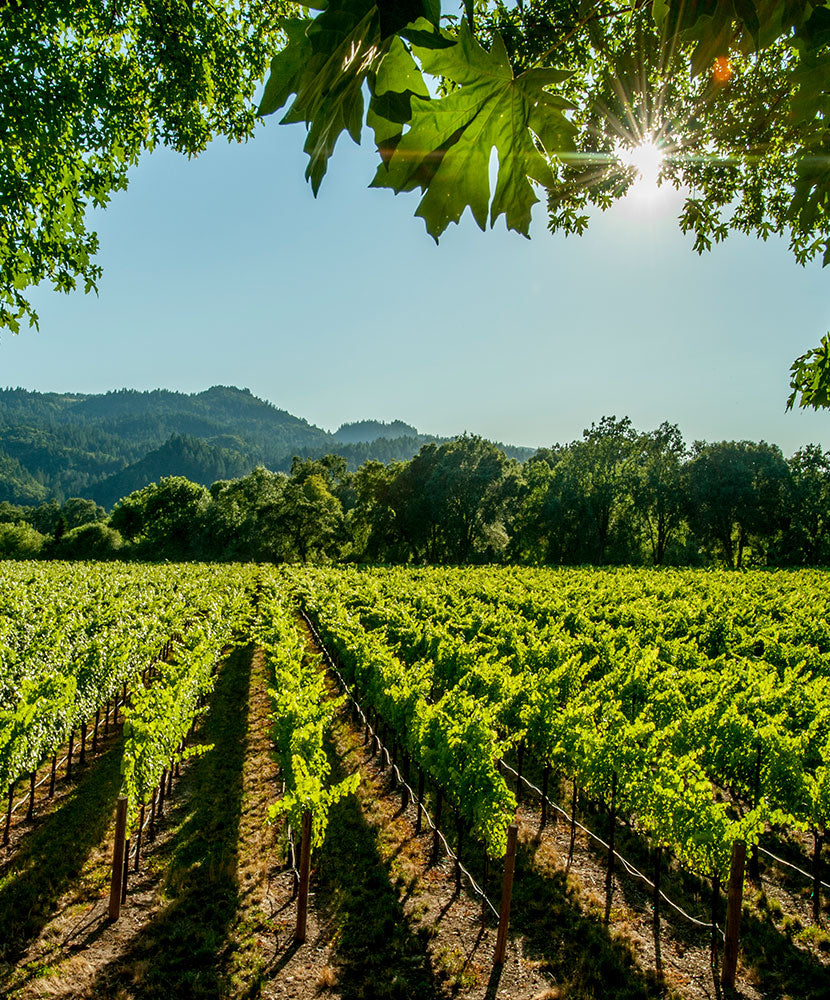
Vines need a sturdy support structure to grow on. Commercial vineyards use trellises — frameworks of posts and wires that let the canopy grow upwards and spread for maximum sun exposure. Home gardeners can use a simple two-wire trellis, a pergola, or an arbor. Whatever the structure, it needs to be strong enough for a mature plant to bear the weight of mature vines loaded with ripe bunches. Once established, a vine grows quickly — some can extend 15 feet or more in a single season — so plan for their eventual size.
USDA Zones: The USDA Plant Hardiness Zone Map divides North America into zones based on average annual minimum temperatures. Most grape varieties perform best in USDA zones 6 through 9. Cold hardy American and hybrid types can thrive in zones 4 and 5.
Choose varieties suited to your climate and goals. If you want to grow grapes for winemaking, select types that match your region's growing season and temperature range. For fresh eating, table grapes or seedless varieties are the way to go. After planting, the first-year goal is to build a strong root system — most experienced growers prune away any clusters that form in the first year or two, directing the plant's energy into healthy roots and canes. It typically takes about three years before a new vine will produce fruit worth harvesting.
Bud Break and Early Spring Growth
The annual cycle begins with bud break, which signals the end of the dormant period and the start of a new season. In the Northern Hemisphere, bud break typically occurs — sometime in March or April — when daily highs consistently reach around 50°F (10°C). In the Southern Hemisphere, it happens in September or October.
Through late winter, vines appear lifeless — bare of leaves, with only woody canes and old branches visible along trellis wires. But beneath the bark, the plant has been storing energy all through the dormant period. As temperatures warm, that stored energy fuels new shoots that push from buds along the canes. These shoots grow rapidly, producing leaves that begin to photosynthesize and power the vine for the rest of the season.
Bud break: The moment in early spring when dormant grape vines begin to push out green shoots. It signals the start of the annual cycle and typically occurs when temperatures reach about 50°F (10°C). Bud break is vulnerable — a late frost can damage tender new growth, reducing or even eliminating the year's crop.
In the weeks following bud break, grape vines grow vigorously. Shoots can gain several inches per day under warm conditions. This is when experienced growers focus on canopy management — guiding shoots along wires, removing unwanted growth, and ensuring the canopy allows enough airflow. Vines that are well-managed during this early period produce better results later because leaves are positioned for optimal sun exposure and developing clusters have room to breathe.
Bloom: When Flower Clusters Appear
Roughly six to eight weeks after bud break, vines enter bloom. Small, tightly packed flower clusters appear along the shoots — these are the inflorescences that will become grape clusters if pollination is successful. Bloom is one of the most critical phases because it directly determines how many grapes the vine will ultimately produce.
Each flower cluster contains dozens to hundreds of individual flowers. Each successfully pollinated flower can develop into a single berry. The flowers have small, greenish-white caps that fall away to reveal the reproductive parts inside. Grapes are mostly self-pollinating — they don't depend heavily on bees or other plants for the process. Wind and the flower's own design do most of the work.
Weather during bloom matters enormously. Cool, wet, or windy conditions can disrupt pollination and cause "shatter," where many flowers fail to become berries. A warm, dry, calm period is ideal and usually leads to large clusters packed with evenly sized grapes. The timing of bloom also helps estimate when harvest will arrive — in many regions, picking occurs roughly 100 days after the flower clusters finish opening.
What Do Flower Clusters Look Like?
Before they open, flower clusters resemble tiny, pale green bunches of miniature grapes. Once the caps fall off, you can see delicate stamens inside. After pollination, the dead blossom parts drop away and the flowers swell into small, hard green berries — the earliest recognizable form of grapes on the vine. Within weeks, these loose clusters tighten as berries grow and take their familiar shape.
Fruit Set and Cluster Development
After bloom, successfully pollinated flowers enter the next stage — the point where tiny green berries begin forming and clusters take their recognizable shape. This is a turning point: the vine shifts energy from vegetative growth (producing shoots, leaves, and tendrils) toward developing its crop.
During this phase, young grapes are small, hard, and very acidic. They contain virtually no sugar and are far from ripe. The berries grow steadily, accumulating water and nutrients drawn up through the vine's roots. At this stage, clusters are entirely green regardless of whether the grapes will ultimately be red, white, or another color at maturity.
Growers may perform "green harvesting" or cluster thinning during this phase — removing some bunches so the remaining ones receive a greater share of nutrients and energy. It's a trade-off: fewer clusters means less yield but more concentrated, higher-quality grapes — more concentrated fruit with better flavor. For table grapes, thinning the vines can also encourage the remaining fruit to grow larger for fresh eating.
Between this stage and veraison — sometimes called the "lag phase" — the canopy is at its fullest. Vines are covered with leaves, and developing grape clusters hang beneath the foliage. Growers often pull select leaves near the clusters to improve airflow, allow dappled sunlight to reach the berries, and reduce the risk of disease that thrives in damp, shaded conditions.
Veraison: Color Development and the Start of Ripening
Veraison (pronounced ver-AY-zen) is one of the most dramatic moments in the vineyard. This French term describes the stage when grapes transition from hard, green, acidic berries to their mature color — and it marks the official beginning of ripening. Understanding veraison is key to understanding how different grape varieties develop their distinctive character.
Veraison: The French term for the stage when grapes undergo rapid color development, shifting from green to their final hue — red, purple, blue, or golden. Veraison signals the start of ripening and typically occurs in mid- to late summer.
Color development during veraison happens unevenly — often one berry at a time within a single cluster. This creates a beautiful patchwork effect of green, pink, purple, and deep blue on the same bunch. For reds, color comes from anthocyanins accumulating in the skins. White varieties shift from opaque green to a translucent golden hue.
Beyond color development, veraison triggers a cascade of chemical changes. Sugar content begins to rise rapidly. Acidity starts to drop. Tannins mature and soften. And the aromatic precursors that give each variety its distinctive flavors — from the dark notes in Syrah to the citrus character of Sauvignon Blanc — begin to develop. For growers, veraison helps predict harvest timing — typically six to eight weeks after the color change begins.
Ripening Grapes: From Tart to Harvest-Ready
From veraison through harvest, ripening grapes undergo remarkable transformations. Sugars climb as the plant channels photosynthetic energy into the fruit. Acids decrease. Skins continue to deepen in color, tannins soften, and the complex aromatic compounds that define each variety become more pronounced. The fruit is approaching its peak.
Growers track ripening using several measurements. Brix — a scale measuring sugar content — is the most common. Most grapes are picked between 22 and 28 degrees Brix, depending on the style. But experienced growers also taste directly, evaluating the balance between sweetness and acidity, the feel of the fruit skins, and seed color to judge whether the grapes have reached full phenolic maturity.
Ripening timelines vary by variety and climate. Early-ripening types like Pinot Noir may be fully ripe weeks before late-ripening grapes like Cabernet Sauvignon. In warmer regions, the berries can accumulate sugar too quickly — leading to high alcohol potential but underdeveloped flavors. In cooler climates, a longer ripening period often produces more complex, balanced results, though there's always the risk that autumn weather arrives before the grapes are ready.
For table grapes and fresh grapes destined for eating, ripeness is judged differently. Consumers want a balance of sweetness and brightness with a crisp texture — not the extreme concentration that winemakers seek. Table grapes are typically picked at lower Brix levels, since very high sugar makes for a cloying experience. Whether destined for winemaking or the table, the ripening phase is where grapes achieve their potential.
Harvest and the Growing Season Timeline
Harvest is the culmination of the growing season — the moment when grapes are finally picked and the fresh fruit can begin its transformation into the finished product. For anyone who loves visiting the countryside, harvest is the most exciting time of year.
In the Northern Hemisphere, the season runs from March through October, with harvest between late August and October. In the Southern Hemisphere, it runs from September through April, with picking between February and April. The annual cycle from dormancy to harvest spans roughly 150 to 180 days.
| Growing Stage | Timing (Northern Hemisphere) | Duration |
|---|---|---|
| Bud Break | March – April | 1–2 weeks |
| Shoot Growth | April – May | 6–8 weeks |
| Bloom & Flower Clusters | May – June | 1–2 weeks |
| Fruit Set | June | 2–3 weeks |
| Veraison | July – August | 1–2 weeks |
| Ripening | August – September | 4–6 weeks |
| Harvest | August – October | 2–6 weeks |
The decision of when to pick depends on Brix levels, the balance between acidity and sweetness, tannin maturity, the weather forecast, and the intended style. Growers who want to produce sparkling often harvest early when acidity is still high, while those making rich, full-bodied reds may wait for the grapes to be fully ripe.
Grapes can be picked by hand or machine. Hand-harvesting allows careful selection of the ripest fruit of the best bunches, discarding any that show disease or uneven ripeness. Machine harvesting is faster and more cost-effective for the average vineyard. After harvest, vines continue to photosynthesize through remaining leaves, storing energy in the roots and old branches for the following spring. Eventually, fallen leaves signal the return of dormancy, and the cycle begins again.
Annual Pruning, Training, and Vine Care
Healthy, productive vines don't happen by accident — they require consistent care. Pruning is the single most important annual task, shaping the vine's structure and controlling how much it will produce. Growers typically prune in the dormant months, after the coldest weather has passed but before spring growth begins.
Pruning involves removing the majority of the previous year's growth — the canes that carried last season's clusters. The grower leaves behind a carefully selected number of buds, each of which will send out a shoot bearing flower clusters and, eventually, grapes. Too many buds means too many clusters competing for nutrients, leading to diluted quality. Too few, and the vine won't produce enough to justify the effort. Finding the right balance takes experience.
Throughout the season, vine care continues. Growers remove unwanted shoots early on to direct the vine's energy toward the best-positioned growth. They tie vines to wires, pull leaves where needed for light and airflow, and manage irrigation to keep vines healthy without drought stress. Vines that are tended regularly — pruned in winter, trained in spring, and monitored through summer — consistently produce better results than neglected ones.
Vines are remarkably long-lived. With care, a vine grows and continues to bear fruit for decades — some of the world's most prized vineyards contain vines over 100 years old. As a vine grows older, its roots reach deeper, accessing water and minerals that younger plantings can't. This is partly why old-vine grapes often make more concentrated, complex results.
Tips for New Growers
If you're starting out, focus on the basics: a sunny location, varieties suited to your USDA zones, a solid support structure, and regular pruning. Don't expect a good crop in the first two years — let the vine build its roots and framework first. By the third year, you can let it bear a modest harvest and enjoy the rewards of your patience. Starting with just a few vines is a great way to learn the rhythms of grape growing before scaling up.
Common Diseases and Pests
Whether you're tending a few backyard vines or managing a commercial operation, staying vigilant against disease is essential. Disease pressure is among the most widespread challenges, especially in regions with warm, humid conditions where moisture lingers on foliage and clusters.
Fungal Diseases
Powdery mildew is one of the most common problems. It appears as a white, powdery coating on leaves, shoots, and grapes, thriving in warm conditions with poor airflow. Powdery mildew reduces photosynthesis, weakens the vine, and can cause off-flavors. Prevention relies on good canopy management and timely fruit protection through fungicide applications during the season.
Downy mildew favors cool, wet conditions — essentially the opposite environment. It produces oily, yellowish spots on upper leaf surfaces and fuzzy white growth underneath. Left unchecked, this disease can strip leaves from vines, compromising ripening. Protective sprays and removing any diseased portions of the canopy are the primary defenses.
Botrytis bunch rot (gray mold) attacks clusters directly, particularly as grapes approach ripeness. It thrives where bunches are tightly packed and air can't move freely. Interestingly, under specific conditions — cool misty mornings followed by warm, dry afternoons — a beneficial form called "noble rot" can concentrate sugars and produce prized dessert bottlings. But in most cases, botrytis bunch rot is destructive and managed through thinning and careful harvest timing.
Black rot and sour rot are additional common fruit rots. This disease causes grapes to shrivel into hard, dark mummies. Sour rot is caused by yeasts, bacteria, and flies attacking damaged berries, producing a vinegar smell. Both diseases require vigilant hygiene — removing infected material and fallen leaves — along with well-timed sprays.
Pests
Japanese beetles are a major concern in the eastern United States. These iridescent insects feed on vine leaves, skeletonizing foliage and reducing the plant's ability to photosynthesize. Management includes hand-picking, traps, and targeted treatments when populations are high. Other pests include grape berry moth, leafhoppers, mealybugs, and birds — netting and integrated pest management help protect the crop without relying solely on chemicals.
Preventing Disease
The best defense against fungal diseases and common fruit rots is prevention. Ensure good air circulation by spacing vines properly and managing the canopy. Remove diseased portions and debris from the vineyard floor. Choose disease-resistant varieties when possible — many newer hybrids have been bred for resistance to powdery mildew, downy mildew, and other problems. A healthy, well-maintained vine is your best insurance against trouble.
Frequently Asked Questions
How do grapes grow on the vine?
All grapes — whether table or for winemaking — grow on grapevines that follow an annual cycle. In early spring, dormant grape vines push out new growth from buds along the previous year's canes. Shoots develop leaves, tendrils, and flower clusters. After pollination, flowers become small green berries, which develop through veraison — when grapes change color — and then ripen until harvest. The complete cycle from first growth to harvest takes about 150 to 180 days.
How long does it take to grow grapes?
A newly planted vine typically takes three years to bear a meaningful harvest, and four to five years for full production. Each year, the season from first shoots to harvest lasts about five to six months. With proper care, vines regularly produce for 30 years or more — some for well over a century.
Can you grow grapes from seed?
Technically yes, but grapes grown from seed won't be identical to the parent. Most people propagate by taking cuttings from established vines, which ensures the offspring is genetically identical. Dormant cuttings from reputable nurseries are the most reliable starting point for anyone looking to grow grapes at home.
What is the difference between table grapes and wine grapes?
Table grapes are bred for fresh eating — they're larger, thinner-skinned, and milder in flavor. Wine grapes are smaller with thicker skins, more seeds, and more concentrated flavors and rich fruit — traits essential for making wine. Table grapes are delicious eaten fresh but don't have the acidity or tannin structure needed for winemaking.
Do grapes ripen off the vine?
No. Unlike some other produce, grapes do not continue to ripen after picking. Sugar content, acidity, and flavor remain fixed from the moment of harvest, which is why timing is so critical — growers wait until exactly the right moment.
What is veraison?
Veraison (ver-AY-zen) is when berries transition from hard, green, and acidic to their mature color and begin accumulating sugar. It marks the onset of ripening and is a key milestone for planning harvest — typically six to eight weeks after veraison starts.
What diseases affect grapevines?
Many diseases can damage grapes — grapevines are particularly susceptible to powdery mildew, downy mildew, gray mold, black rot, and related rots. These fungal diseases thrive in humid conditions with poor airflow. Prevention involves canopy management, vineyard hygiene, and choosing resistant varieties. Japanese beetles and grape berry moth are among the most common pests.
When should you prune vines?
Prune during late winter, after the coldest weather has passed but in early spring. This practice controls structure, limits how many clusters the vine produces, and encourages strong development for the current season's growth. Without regular pruning, vines produce too many small, diluted clusters rather than fewer, high-quality bunches.
From bud break to harvest, the story of grape growing is shaped by centuries of knowledge, careful vine management, and nature's rhythms. Whether you're tending your own vines, exploring vineyards during the growing season, or simply savoring a glass of your favorite pour, understanding these stages makes the experience richer.
And when you do open that bottle, a Coravin wine by-the-glass system lets you enjoy it across multiple occasions — pouring a glass whenever the moment strikes while keeping the rest fresh. It's the perfect way to savor the vine's hard work on your own terms.